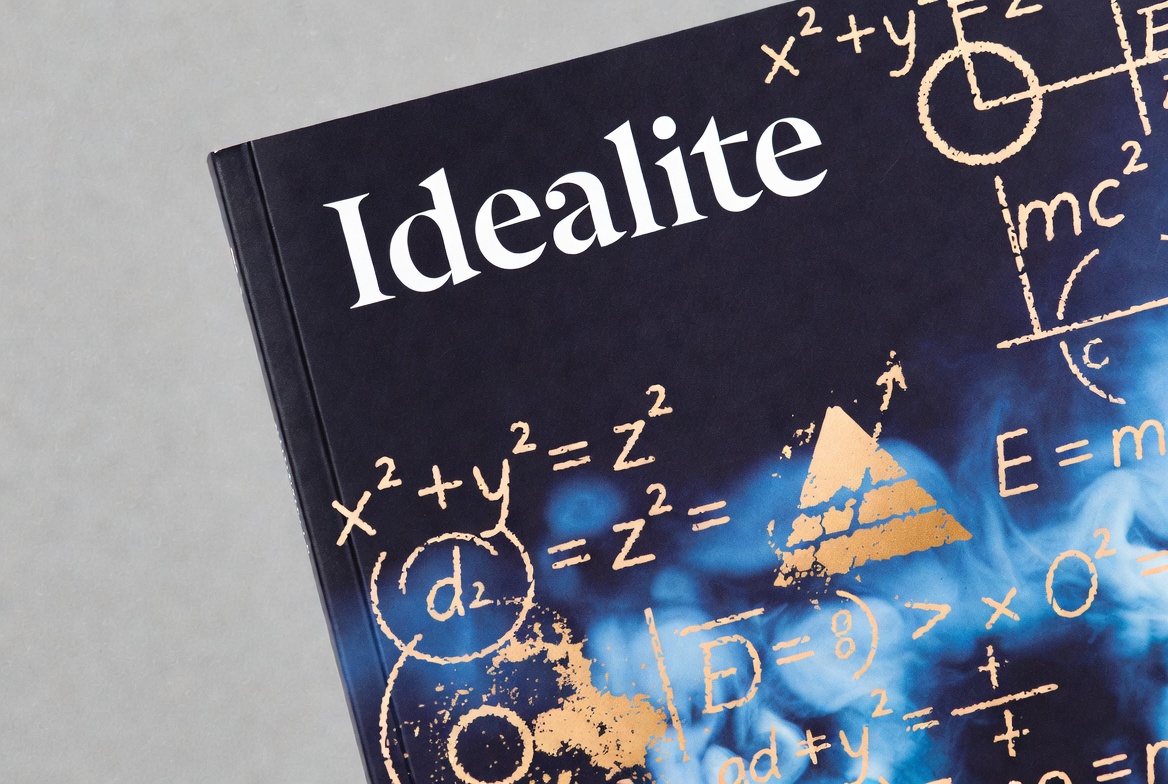
Why Visual Memory Can Help With Quantum Physics Terms
Visual memory can help with quantum physics terms by making dense, unfamiliar vocabulary easier to hold onto early on.
April 28, 2026
When you first approach a difficult subject like quantum physics, one of the hardest parts is simply keeping the terms from dissolving into noise. The concepts are unfamiliar, the vocabulary is dense, and everything can blur together. In that stage, visual memory can be genuinely useful because it gives the terms stronger anchors before deeper understanding is fully in place.
Why difficult subjects feel slippery at first
Hard domains often overwhelm beginners because too many unfamiliar ideas arrive at once. Before you can reason well about the subject, you need some stable contact with the language of the field. If even the key terms will not stay in place, it becomes much harder to build understanding on top of them.
Why vivid anchors can help
Visual memory helps by making those terms less abstract. When a concept is attached to a memorable image, it becomes easier to pick back up later. That does not mean the image explains the science for you. It means the term itself becomes less likely to vanish the moment you leave the page.
Why this supports understanding rather than replacing it
This distinction matters. A visual anchor is not the same thing as understanding the concept. It is just a stronger way to hold your place while deeper work happens. In a difficult field, that can be enough to keep progress moving. You are less likely to feel like every study session starts from zero.
Where this fits in a bigger learning system
That is where visual memory belongs. It should help stabilize the language of a difficult subject so that your attention can go toward explanation, connection, and problem solving. Used that way, it is not a gimmick. It is a practical support tool for hard material.